

Pet Trust Attorney
What Will Happen To My Pets If I Die Or Become Incapacitated?
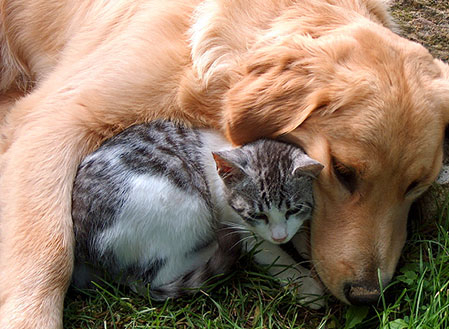
“A Pet Trust does not need to be a stand-alone independent trust. We set up the Pet Trust language as part of the distribution section of your Living Trust that defines your wishes for your entire estate. This way you can provide for pets and others in same document.”
Estate Planning and Pet Trust Attorney Joseph McHugh and his legal team are all major animal lovers and believe in Pet Trusts because pets are family!
Joe and his Legal Team understands the importance of comprehensive planning for all the loved ones in your life. We make sure that you have peace of mind that your pets will be legal taken care of (with your remaining assets) when you are gone! Call for consultation: (818) 241-4238
In the United States, there are 4 to 5 million abandoned and orphaned pets euthanized each year. More than 500,000 of those pets euthanized in the U.S. are because owners die or become incapacitated and did not set up a legal plan for their care. Our Pet Trust Attorney, Joseph McHugh wants to help you protect both your human and non-human loved ones in your estate planning!
Why Do I Need a Pet Trust in California?
If you are a pet owner and worry about your orphaned pets(s) when you are no longer here, a Pet Trust may give you piece of mind that they will be cared for even if you’re no longer able to care for them.
When you consider setting up a trust for your dog, cat, horse, or other non-human family member, better known as your pet, you may wonder if you are being too eccentric. Remember Leona Helmsley’s trust leaving $12 million to her pet Maltese named Trouble? To her this dog was an important part of her life and she had the money to provide for him the way she wanted. You too can provide for your pet(s). You don’t have to be rich and eccentric to set up a Pet Trust for your precious companion(s). Pet Trusts are generally set up by caring individuals who want to ensure that their “non-human family member(s)” are provided for in the event of their own death or incapacity.
In 2009, with the passage of Probate Code 15212, the California State Legislature provided a legal way for people to care for their pets, after their death. This law allows you to set up a trust that continues for the life of your pet(s). The assets in this trust can only be used for the benefit of your pet(s).
The First Step In Planning For The Care Of Your Pets
First, you need to determine how much money should be set aside from your final estate for your pet’s future care. Leona Helmsley left $12 million to her dog, however, your pet(s) probably do not an annual budget of $8,000 for grooming AND $100,000 a year for security!
To estimate the budget for your pet’s needs, look at the current annual expenses for your pet’s food, grooming, medical care, and other needs and then multiply that by your pet’s likely remaining lifespan. You may want to add to this final amount payment to the Pet Caretaker for honoring your wishes by providing the love and attention and a happy home for your orphaned pet(s).
Once you decide you want to establish a trust for your animals, you need to identify a trusted person that is willing to be the person responsibility for their care upon your death or incapacity, named as the Pet Caretaker. This person must be willing and able to provide the love and attention your pet deserves. Pet Trusts are called “honorary trusts”, which means, this person has NO legal obligation to care for your pet. However, if you choose the Pet Caretaker carefully, you will know that this person has a moral obligation to honor your wishes. You must define your pet’s health needs, routine and care for your Successor Caretaker. This information will be referenced in the Pet Trust or Living Trust.
LA Law Pet Trust Attorney Joseph McHugh recommend having another person that will be responsible for managing the trust assets. This person will be named as the Trustee for your Pet Trust. In this role, the Trustee will manage the assets of the trust and another person with responsibility is to care for the pet. This allows for a check and balance in the care of pets and the administration of the trust assets.
An additional check and balance for your pet trust is the requirement that pet trusts with more than $40,000 of assets must give an annual accounting to the beneficiaries that will inherit the assets upon your pet’s death. This provides an incentive to oversee that the funds are being well-managed for the care of the pet(s)as the balance will ultimately be their inheritance.
I Do Not Have a Pet Caretaker… What Do I Do Now?
If You Do Not Have a Trusted Person to be Your Pet’s Caretaker, your Pet Trust can give the authority to the Trustee or your personal representative to oversee the caring adoption to a third party. Or Your Pet Trust can appoint a professional Fiduciary or charity involved with caring for pets to oversee the care and adoption. This can include making assets available to pay the person adopting your pet(s) a specified sum of money for care in the new home. The trustee can monitor the quality of your pet’s care.
If you set up a continuing trust, you can direct the trustee to pay the new owner on an ongoing basis for routine care and maintenance. Any assets remaining after the pet’s death can then be distributed either to the caretaker or to your other beneficiaries.
After a thorough review of the best strategies for your situation and final wishes, we let you know our fees for the scope of work. Once approved we will structure a comprehensive estate plan created specifically to give you (or your loved ones) an estate planning package, while protecting your family assets and allowing you to stay in control of your life and your money until you are gone…
Our Law Firm is centrally located in Burbank (Southern California); however, our Estate Planning Lawyer, Joseph McHugh serves many clients throughout the California to help our clients with their trusts. We are very proud of the many personal and professional referrals we receive from happy clients and colleagues.
Call for consultation: (818) 241-4238. Or you can submit this form to request a consultation.